
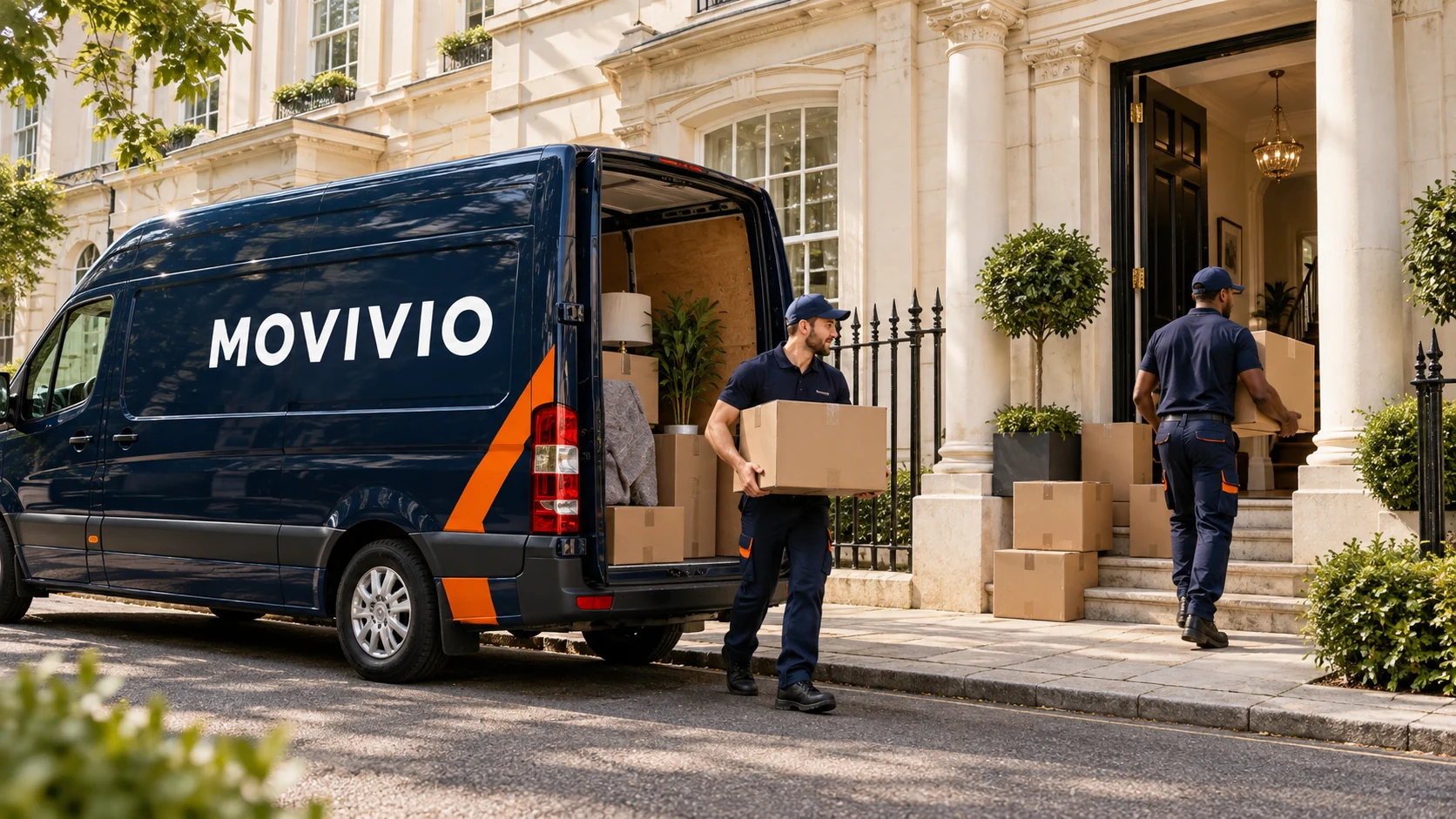
Follow the route from the room to the road
Include long communal corridors, paths through gardens, gates and external steps. Estimate the distance and describe uneven surfaces or steep sections. If the load must cross a shared courtyard, confirm permission and access times. The route should be based on a suitable loading location rather than a hoped-for space.
Check Cheltenham stopping and building access
Before choosing a loading position in Cheltenham, check the street signs and the building manager’s instructions. Gloucestershire County Council manages on-street parking; a place in a nearby car park does not establish permission to load at the property. Record the intended stopping point and the distance to the entrance.
If the normal route is unavailable, describe the alternative before accepting the quote. A longer carry, controlled gate or different vehicle requirement can change the time and crew needed.
Relate access to the actual load
Many boxes may require repeated carrying trips, while one large item may need additional handling. Describe heavy or fragile pieces and whether assistance is needed throughout. Trolleys are not suitable for every surface or item, so do not assume equipment will eliminate carrying work. Access changes should be reported before the agreed day.
Include these observations
- Where the vehicle can reasonably load and how far away it is.
- Any gates, slopes, steps or controlled doors.
- Whether the route is shared with residents or the public.
Your Cheltenham enquiry checklist
- For long carrying distances, have these details ready: approximate carrying distance; surface and steps on the route; suitable loading location.
- Give both full postcodes and identify the exact entrance and receiving point. GL50 is a location reference, not the whole service area.
- Explain any unresolved permission, timing or handling question before accepting a quote.
- Check the quote’s supplier, price, inclusions and booking terms before confirming.